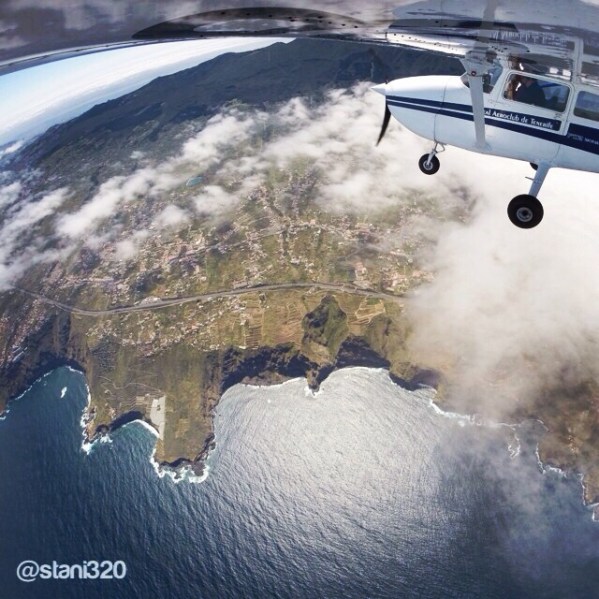
Recently I’ve made a flight with 2 friends spotters on the Piper from Tenerife North to La Palma and back.
As this was the first time for them on a small plane like this one, they were really enjoying the views from the cockpit and also from the co-pilot seat.
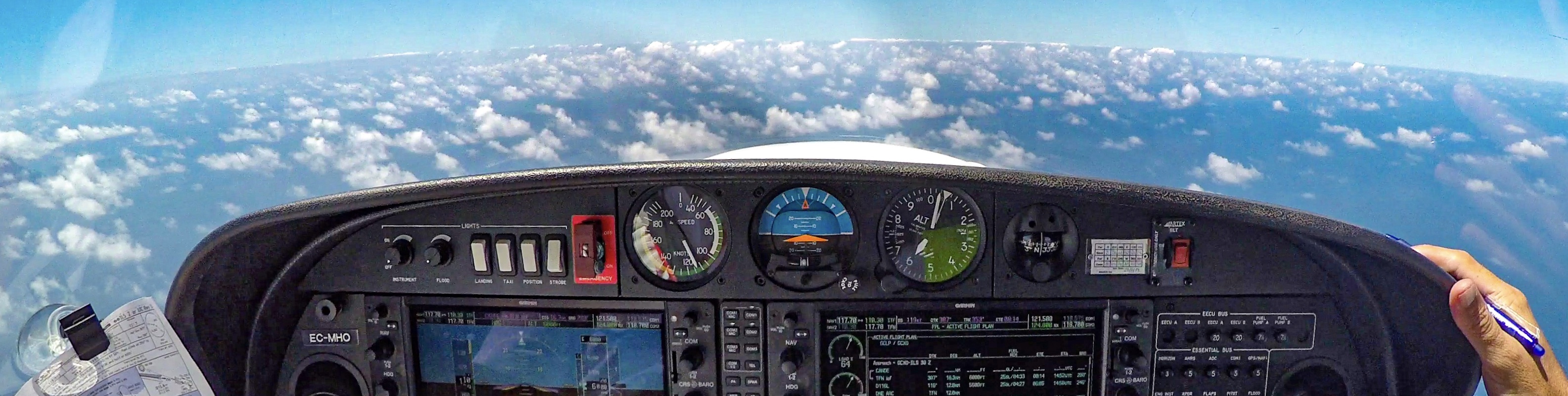
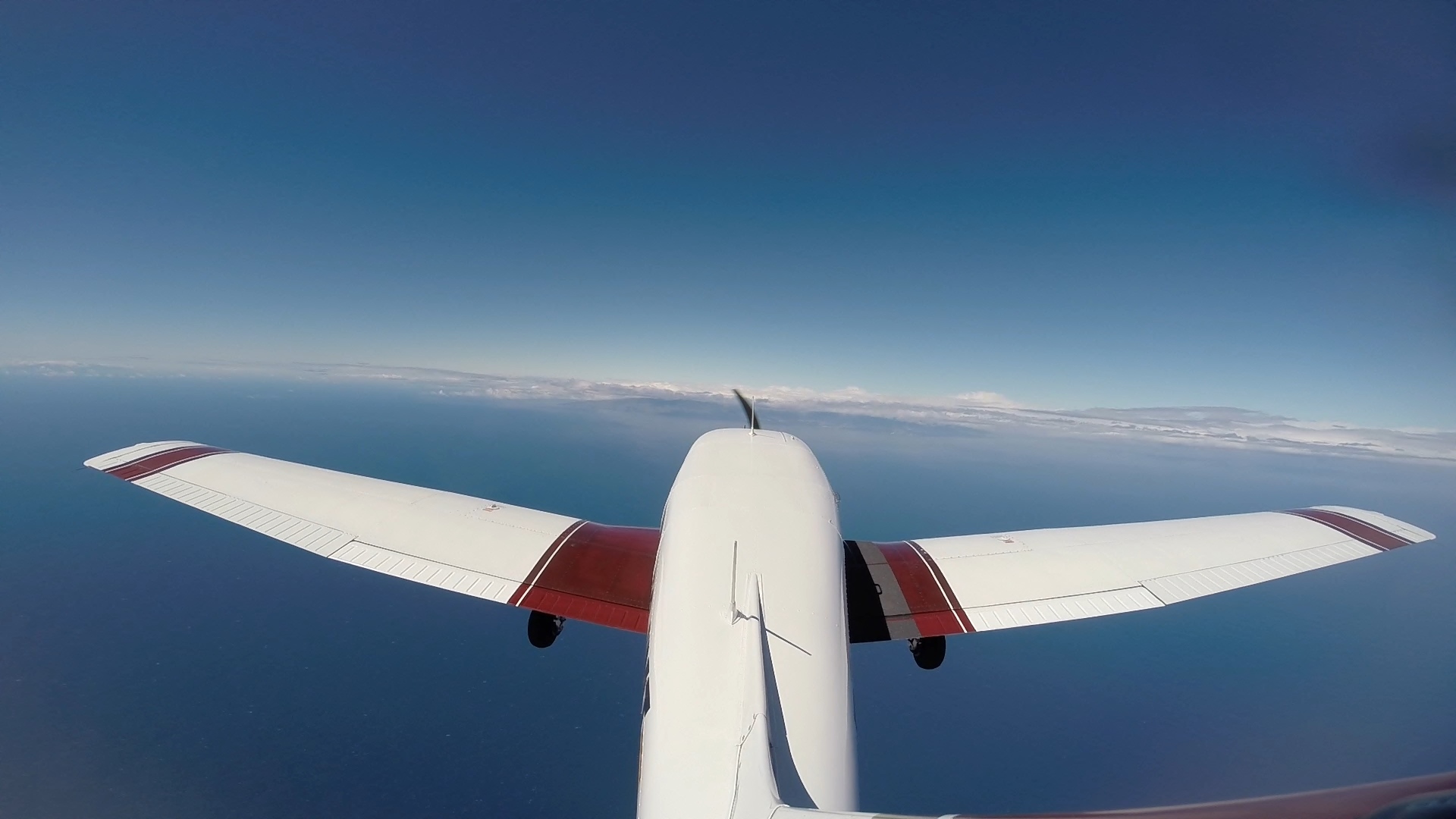
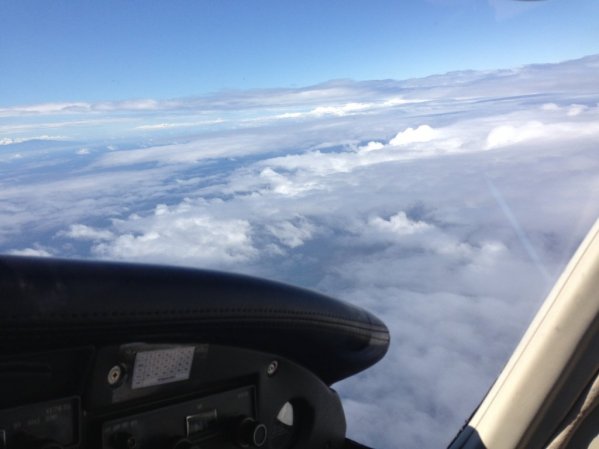
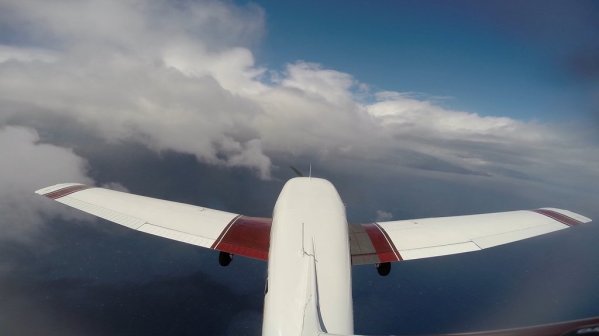
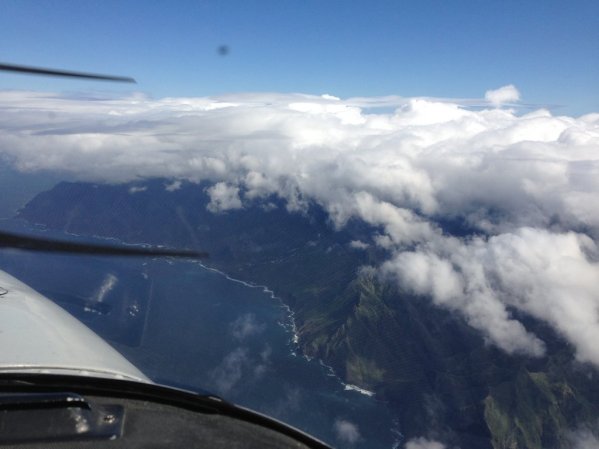
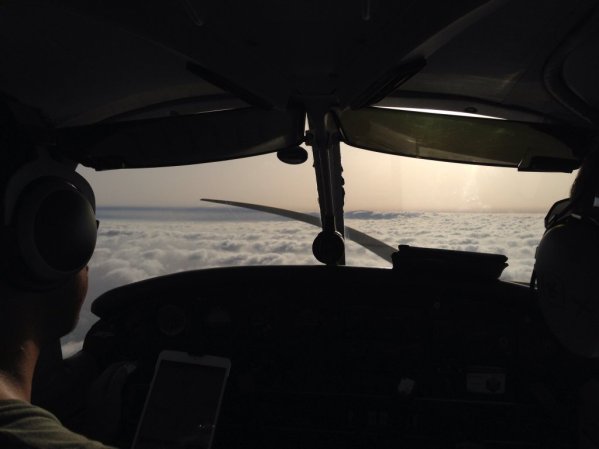
The weather was actually pretty good, almost no wind, no turbulence. Only some cloud layers between 3.000 – 8.000 feet. We were able to climb to get about them and wnjoy the views of the sea of clouds. It feels like to fly a big airliner…
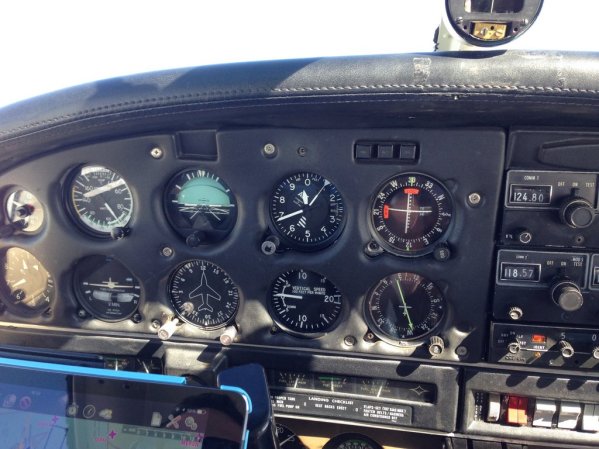
The basic instrument training I´ve done was a great help to maintain the plane on the desired track when descending through the cloud layer. The basic thing is to look inside the cockpit on the instruments and trust your instruments and don’t look outside.
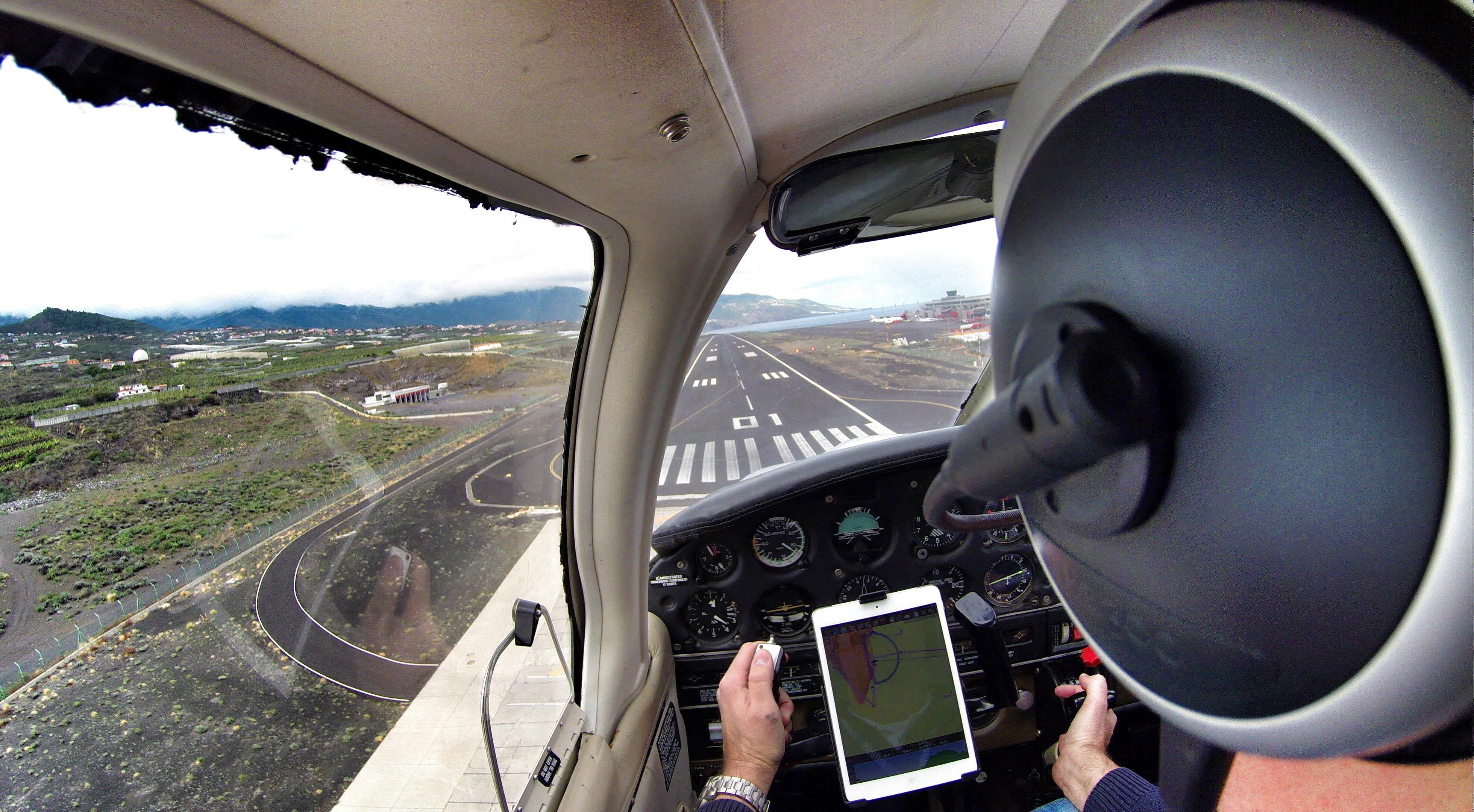
We did one touch and go at La Palma Mazo Airport (GCLA) and returned back to Tenerife North (GCXO). It was a great trip with great views in a great company!
Here I share with you some of the views and of course a short video as well.
Safe landings!
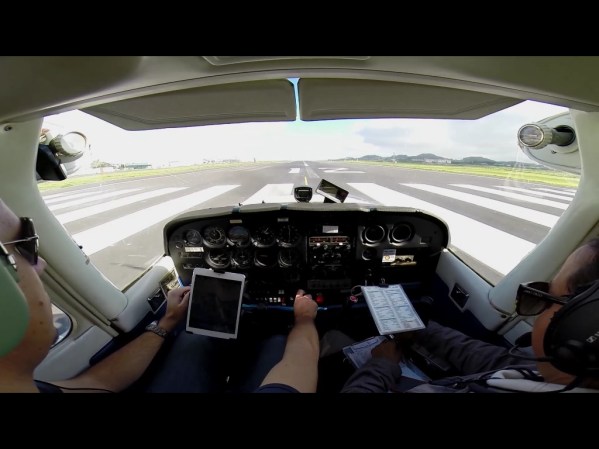
Above the sea of clouds cockpit view
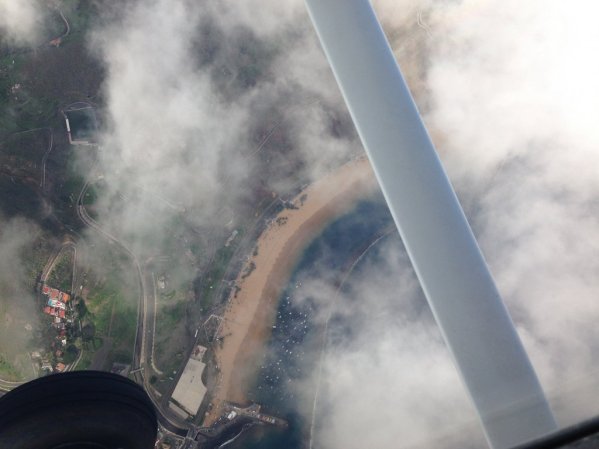
Above the sea of clouds
North of La Palma
Los Llanos
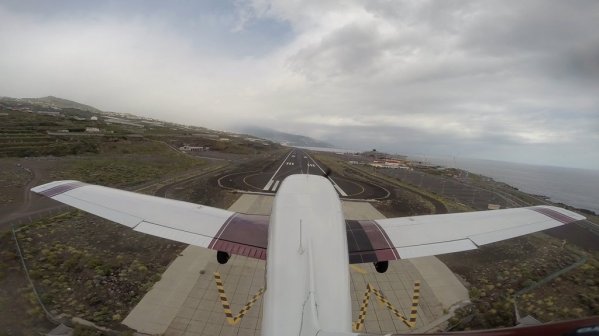
About to touch and go at La Palma airport (GCLA)
Over the sea of clouds at 8.500 feet
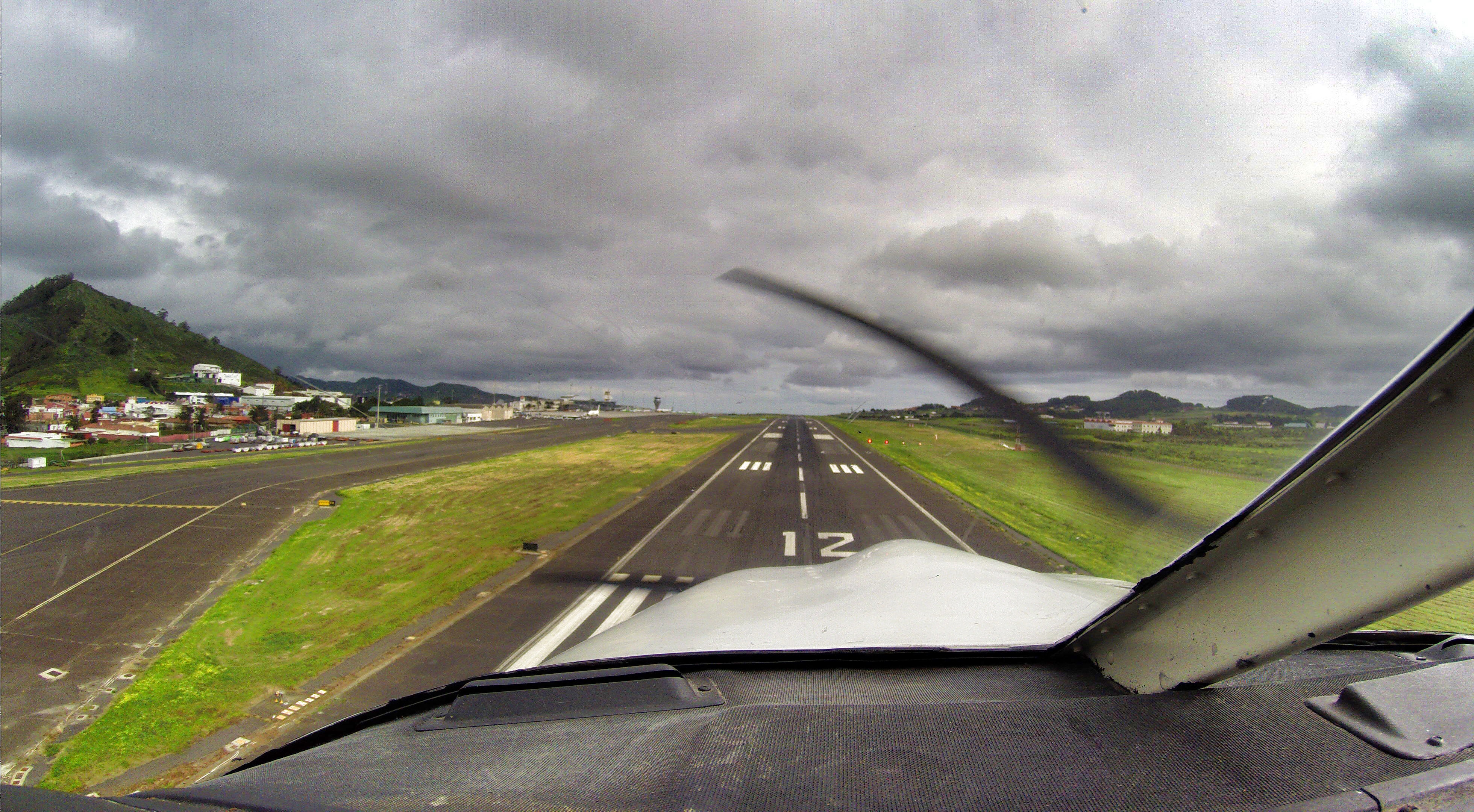
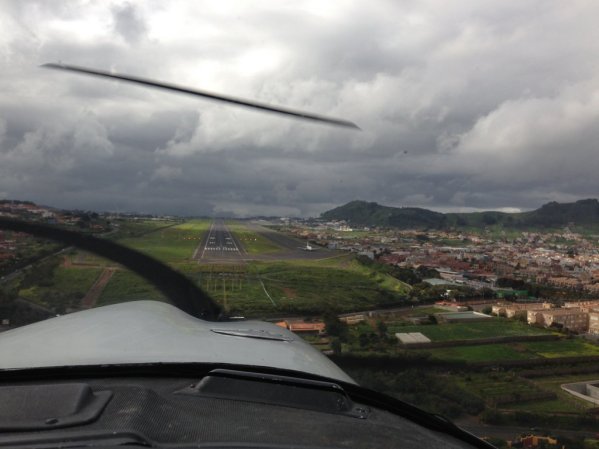
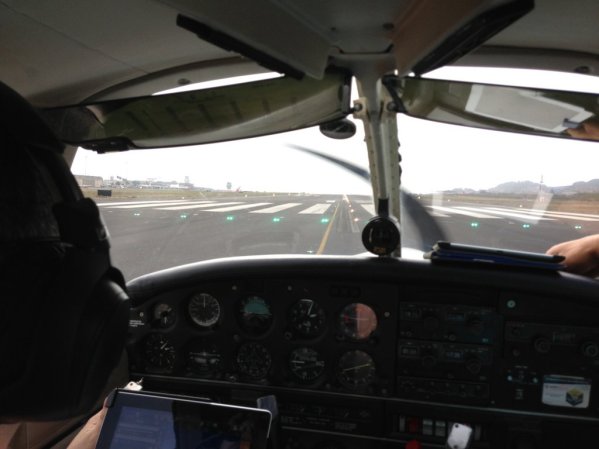
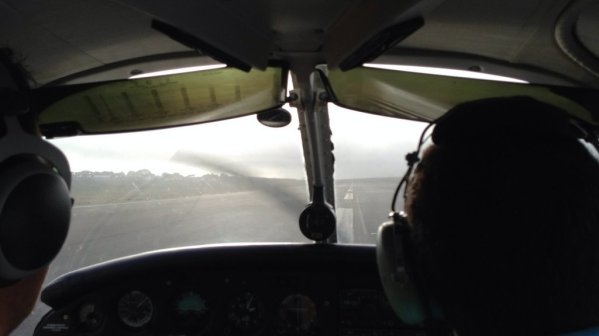
About to land at my home airport GCXO (Tenerife North)
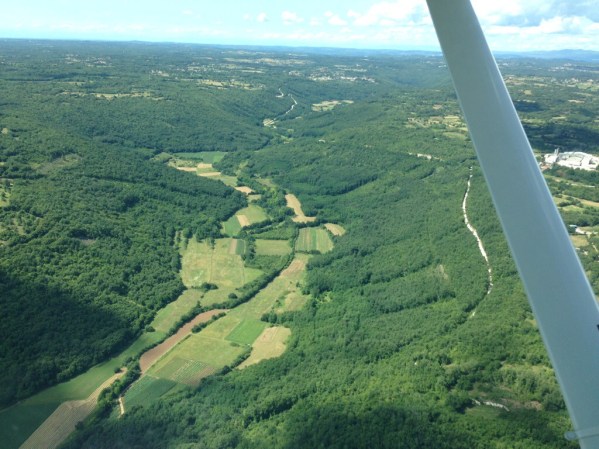
I was just on holidays in Croatia with my family on the part called Istria. Istria formed eaerlier a part of Italy and you can clearly see the ‘touch’ of the italian architecture on the buildings, cities and villages.
The nature is very green, the sea blue (as it should be 🙂 ) and there are also some nice small islands not far away from the coast which would be nice to see from the air.
Before we went down I made a small investigation on internet about the flying clubs, possibilities, etc. The information found on internet about flying in istria was equal O, or very poor information in croatian, which doesn’t help a lot. If you are not on internet, you doesn’t exist!
It is also a good experience to fly in a different regio than you are normally used to fly to gain more experience and to see how is the world of aviation in other countries.
Let’s get some fresh air inside! 🙂
After arrival we spoke to the owner of the place we were staying at, and he gave me some information about a field from where some local company offers touristic flights… There was some hope that I would be able to fly around and log my first flight with a plane with croatian registration and croatian airports into my logbook.
The field is called Medulin Aerodrome (LDPM) and has a grass strip (RWY 12/30) and a concrete taxiway.
It was very easy to find it, as they have exposed 2 written off planes on the hill, Piper Aztec and Cessna 150. They were from the local flying club which went bancrupcy. So at least somehow they are still serving for aviation purposes as a “decoration”.
Medulin Airport (LDPM)
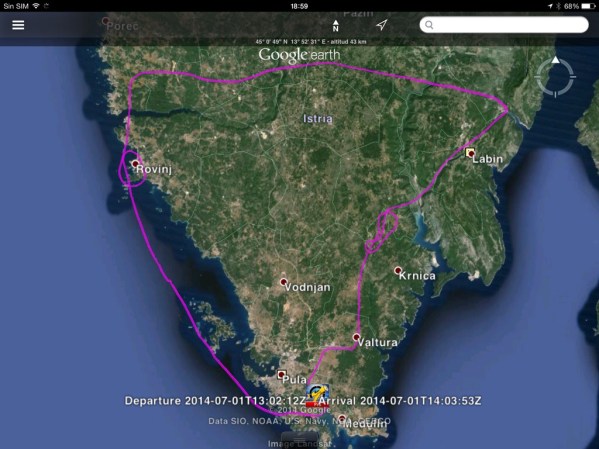
After we spoke to the owner of the company we were able to make a flight on our discrection. As the hour costs 220€ in a Reims 172, I decided to fly only one hour only.
Our flight path
The one hour was sufficient and really worth of it. Could have been flying for longer, but it was simply to expensive. The owner flew with us as a security pilot and he gave us a lot of interesting information about the area and helped with the communications and navigation as well. The weather conditions and visibilty were outstanding with almost no wind.
I know, that if somebody flies for more than 20 years, that he probably (thinks that he) wouldn’t need a checklist, but I am used to read it and make a engine run-up before the departure and outside check as well. Makes me feel more comfortable and safe. This was not the case. And I know know a guy who had a similar problem on a plane because of ignoring the checklist…
The plane was refueled for approximately 01:20 hours and my question was: where is the reserve? He said, we have 3 airports near by and we are going to fly for one hour only, so it should be sufficient. (Checked the 2 tanks, and the right one was almost empty).
This is probably how they are flying the touristic flights as well… Hm, have my doubts about the correct procedures and the safety of the flight. Was not sure whether to abort the flight or not. Finally I decided to fly anyway and to hope that everything goes fine. (I did fine, otherwise I wouldn’t be writing now this post, lol).
The taxiway was from concrete and exactly as bright as the the Cessna’s landing gear, so I had to look good to stay on it and to not to taxi on the grass. Finally I thought we were going to depart from the grass strip, but following the owner’s instructions, after pulling the throttle to maximum, we were able to take of from the resting taxiway on the 160 meters… Wow! Airborne pretty fast!
Following the coastline we made the approach and low pass to the first field (LDPV), which was pretty impressive as it was situated behind a river on a small cliff. Unfortunately I have discovered that my Gopro turned off ( I had the videos from the previous flight during my holidays), so the most interesting part of the flight is missing…
Pula – sorry for the dirt windshield 🙂
Rovinj from the air
Next we crossed Istria to the west coast, than to the southeast and continued with our 2nd low pass on Pula Airport (LDPL).
Crossing Istria to the East
Somewhere near Hrboki
Flying along the Eastern Coast of Istria
Low pass at Pula Airport (LDPL)
After the low approach we have returned back to the Medulin aerodrome (LPDM) for landing. Approaching at 65 kts with flap 10′ we have landed on the grass strip (RWY 12). Pretty nice experience to land on a grass strip (I am used to land on a concrete runways between 1.800-3.400 mtrs long).
Final RWY 30 at Medulin Airport (LDPM)
I have enjoyed the flight a lot, also the coutryside and the experience. I am sure I would repeat it again and fly over to some othe parts of Croatia. I have to admit that the owner knows very well his plane and the area, and it was a nice flight and experience.
With my brother in law after the flight
Here I share with you a short video from my short field take off at Medulin Aerodrome using the remaining 170 mtrs of concrete taxiway 🙂 Enjoy it!
We were flying with my friend around the island, he is a commercial pilot and instructor as well; and it seems that the flight was a bit “boring” for him without making any manouvers, stall recoveries, etc.
So he just asked me during the flight: “Can you make at least some stall or something to make it a bit more entertaining”?
My response was pulling back the throttle maintaining the altitude with the yoke and centering the plane with the pedals until the Cessna stalled, followed by the recovery. It is pretty amazing, how difficult it is to stall a Cessna, it stays simply hanging in the air… If I compare it to the P28A which I use to fly more often, the Piper would be a piece of a brick falling from the sky 😀😀😀 comparing to the Cessna. Somehowe after this couple of flights I am starting to like the Cessna as well.
I have recorded the stall recovery with the Gopro mounted in the cockpit; unfortunately forgot to delete the files from the Gopro hanging outside on the wing, so I was only able to take 2-3 pictures (grrr) with it. It was hanging outside for nothing (creating more drag). I will have to create my personal “gopro checklist” haha before going out for flying to avoid bad surprises like this one. However, I like those 2 pictures i’ve taken… Quality before quantity (a good excuse), haha.
Somewhere over La Victoria, North Tenerife
It seemed that stalling Cessna was not enough so we have said: “engine failure”! Why not? First set the best gliding speed (around 70 kts) and searched for a field to land. Pretty difficult on a hilly volcanic island like Tenerife…
Searching for a field to land
The first and probably best option to avoid ditching in the sea was a golf course. We were gliding from 4’500 feet for a while and were trying to calculate the approach taking in consideration the weather conditions, etc. (we had a tailwind, so after the final turn we could be short of the field and…. do not think about the worse…).
When on the final of the golf field (almost with the golf players in sight), we have performed a go around and continued with the island tour. It was a very good excersise; sometimes it is necessary to go back to the basics and train the emergency procedures.
The funny thing is that a couple of days later a friend of mine who was playing on the course that day asked me: “Were you flying on saturday?” I answered, yes, it was me 😀😀😀. “I was thinking to hit you with the ball”, he said… I thought probably he recognized my flying technique ;-).
The most of us are flying to enjoy the 100$ hamburgers. In Spain we could speak about something similar, as for example “100$ paella”.
My last flight went to La Palma, together with my friend Daldo and his wife Virginia as passenger.
Today’s crew
I was flying the inbound leg and we were cruising at 8,500-9,000 feet. Pretty nice views over the Atlantic Ocean, the sea was very calm, but we were having some headwinds of 20 kts which made this flight a bit longer and of course a bit more expensive ;-), that is why I speak about 200€ paella ;-).
Some different views of Tenerife
Actually I enjoy flying high(er), as there is normaly less turbulence and you can enjoy better views. Also, in the case of an engine failure, the range of possibities of gliding or trying to restart it, are better, as you gain time. And also, you feel like you are flying a real arliner ;-). So there are only a advantages of flying at higher altitudes.
Cruising at 8,600 feet (Sorry for the bad quality)
The icing was forecasted for this day at 9,000 feetm the OAT was around 2 degrees, but no ice was forming on the wings. We were cheching it constantly, for just in case, however we were not flying in the clouds and the day was pretty sunny as well.
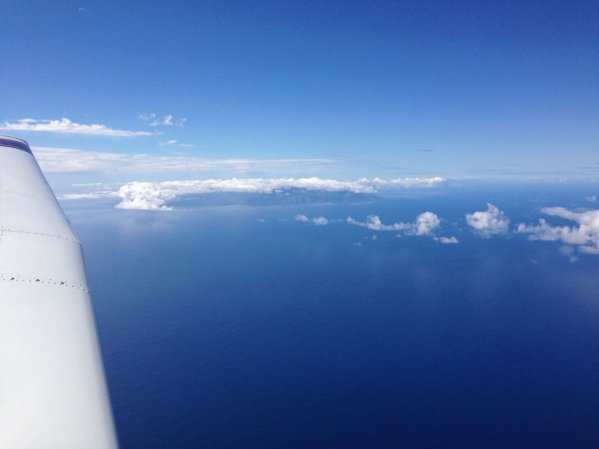
Passing La Gomera island
Cruising over the Atlantic ocean at 9,500″
Reaching La Palma island we have maintained 9,000 feet and made some cloudsurfing. The weather forecast for today was some rain and also a front was comming from NW. We have decided to do this flight anyway, as the visibility was ok, no clouds were in sight, and in the case the weather would starting to change, we would return back to our base airport.
Flying over the clouds, reaching La Palma island
Cloudsurfing over La Palma and the rainbow
After this short cloudsurfing, we have started our descent to the visual point Sierra, in the south of the island. Being so high took as a while to descent and make some nice manouvers between the clouds.
Descending through the clouds
Finaly after 1,30 hour long flight we have landed at the La Palma’s “El Mazo Airport”. This airport is considered one of the world’s most complicated approaches, however with its 2,2 km long runway it is nothing special for our Piper ;-).
Seconds before landing at La Palma
Our Piper was parked as it should on a nice place, where even an Airbus 330/340 could be parked. A realy big honor for this plane ;-).
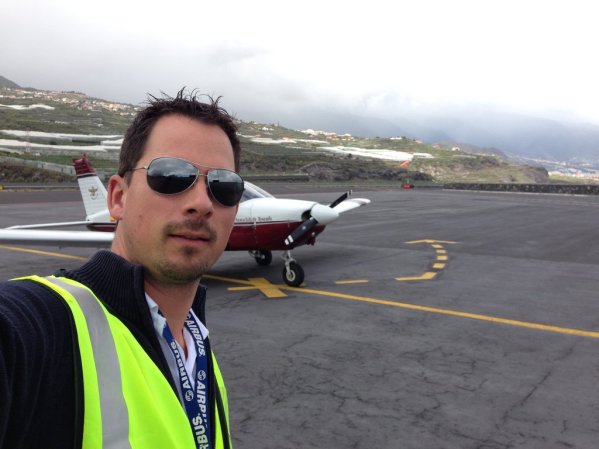
Just a quick selfie to prove that the Piper was parked on the A330 stand and that I was there as well 😉
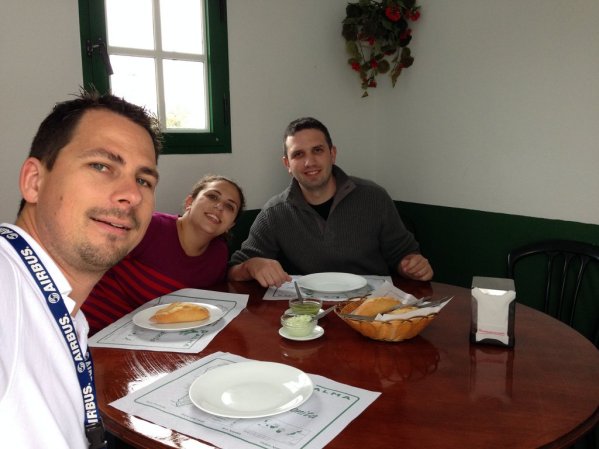
We knew, that we had not much time, as the storm was comming sooner or later, so we have decided to go quickly to the restaurant Casa Goyo, situated under the extended centerline of the runway, just between the extended centerline´s lights. They have a lot of specialities, good quality-price relationship and also very good seafood. This restaurant is situated in a walking distance from the airport, some 10 minutes.
Restaurante Casa Goyo La Palma
It consists of small wooden houses, where you can sit, or small rooms, where you can enjoy some privacy as well. We had some paella, which was already ready and we didn’t had to wait, as we had to be pretty quick. So to come over to La Palma to eat this small plate of paella costs around 200€ ;-); not to shabby 😉
Inside the restuarant (bad qualiry foto, grrr)
This one is better 😉 Waiting for the paella.
After the lunch we took a taxi (6€) and we hurried up back to the airport to pay the taxes (18€), made our new flight plane and departed direction Tenerife. There were pretty much clouds than earlier this day, so Daldo had to climb up to 10,000 feet and fly around the clouds to avoid them. The views were even more spectacular.
Cruising at 9,700″ Pretty awesome, isn’t it?
Flying between the clouds
Flying over clouds at 9,700″
The north coast of Tenerife can be seen through the clouds
Anaga
On final RWY 30 at Tenerife North Airport
Only a couple of minutes later after our landing, when the plane was parked outside the hangar, it started to rain and the visibility dropped down significantly. This was a perfect planning, in the other case we would have had diverted to the alternative Tenerife south airport.
The Piper is parked outside the hangar and the rain is comming
A short video of the descent, cloudsurfing, approach and landing at the La Palma Airport. The Gopro has been mounted on tail of the plane.
It has been a while since my last flight, the meteorology was not the best one, so I had to wait long to get airborne… Then maintanence on the piper had to be done so I´ve decided to fly again the club´s Reims 172.
I have purchased a second Gopro, this one is the latest model Gopro Hero3 Black+ and the difference between the White and this one is huuuuuge! The quality of the picture is much much better than of the White model. They shouldn’t be selling this model (white), as it is realy bad.
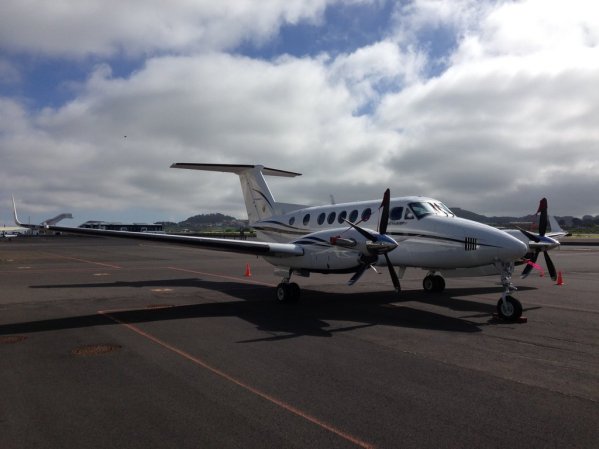
Today there was a very nice visitor to the Tenerife North Airport; the Beechcraft B-200 Super Kingair, privately held, was resting on the ramp. The plane was there already for a couple of weeks.
Beechcraft B-200 King Air, reg. N537EM
My today´s flight was scheduled with the club´s Reims 172 (the european version of Cessna 172). The last time I flew Cessna was 13 months ago… So why not to try it out again, to enhance my flying experience?
Reims 172 Skyhawk II, reg. EC-JGP
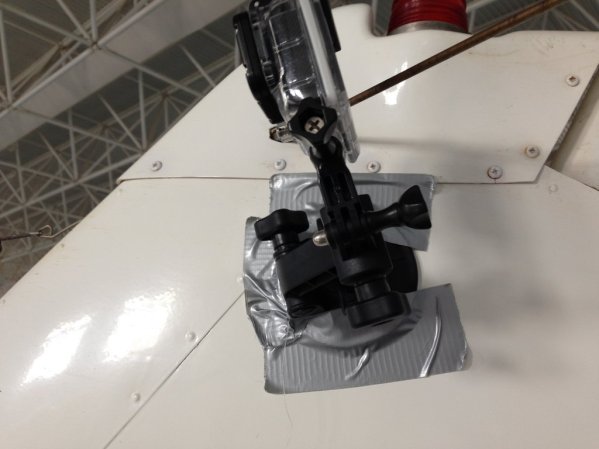
I have polished the windshields and have installed my 2 Gopro´s; of course, that the cheaper version was installed outside on the vertical stabilizer ;-). Using a lot of duct tape to secure it on the plane. I have spoken to the maintenence guy and they are going to install there an adhesive, which will offer a better views and will be easier and quicker to install, as it won´t be necessary to clean and polish the surface, etc…
Gopro Hero3 White on the Rudder
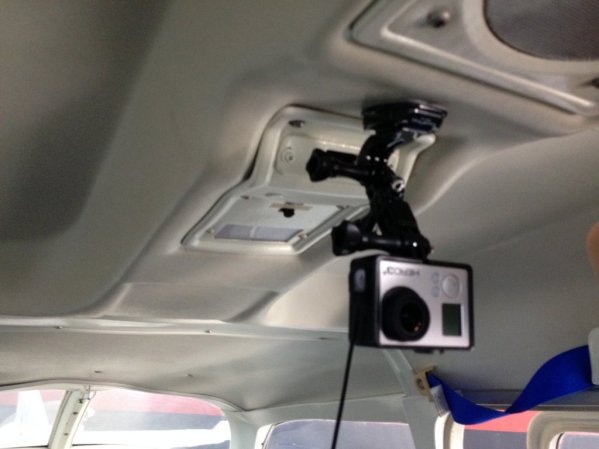
The new Gopro Hero3+ was installed inside and connected to the Intercom to record the ATC communications, which worked perfectly.
GoPro Hero 3 Black+ installed in the cockpit of the Reims/Cessna
Here you can see the connection between the camera and the Intercom to record the ATC communications. To see, what do you need to connect it, you can read more in my previous post.
Gopro connected to the airplane´s intercom
Having 2 camera will force me to get a better editor and spend even more time editing the videos… 😉 The views are realy nice. This one was taken with the camera situated outside (Gopro Hero3 White):
Cleared for take off RWY 12
Over the clouds
Unfortunately the battery died, so it wasn’t possible to record the landing… Inside, the Black+ made these pictures. I have to admit, that I preffer the look from Cessna/Reims, as the windshield is in one piece and it is not divided in 2 like at the Piper:
Take off roll
Over the clouds
Besides this I took a lot of pictures above the clouds with my Iphone. The countryside gets so nice and green in the wintertime here in Tenerife:
San Andrés
Playa de las Teresitas
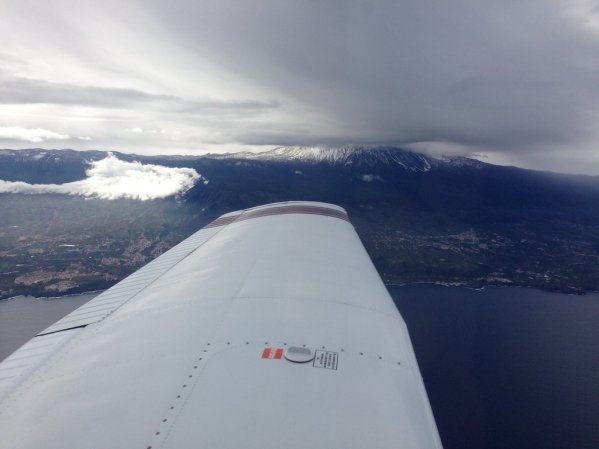
Santa Cruz de Tenerife & Pico del Teide
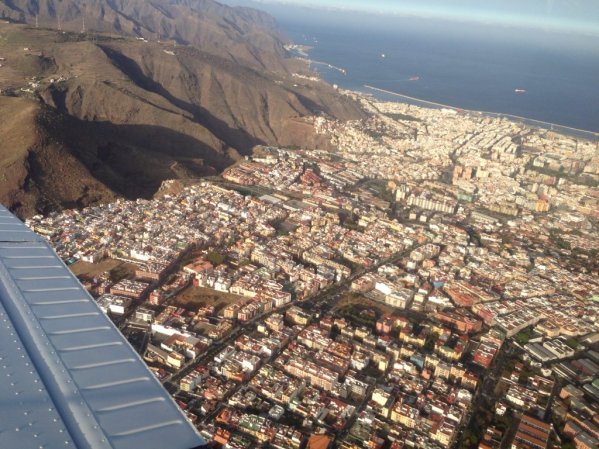
Santa Cruz de Tenerife
Anaga
Anaga
I have edited a 3 minutes long video of this short local flight with the 2 cameras on board. More staff will be comming 😉
My last flight was to the island La Gomera. La Gomera is a small airport on the Canary Islands. When you approach the runway, it seems like you are going to land on an aircraft carrier (with a little imagination ;-)).
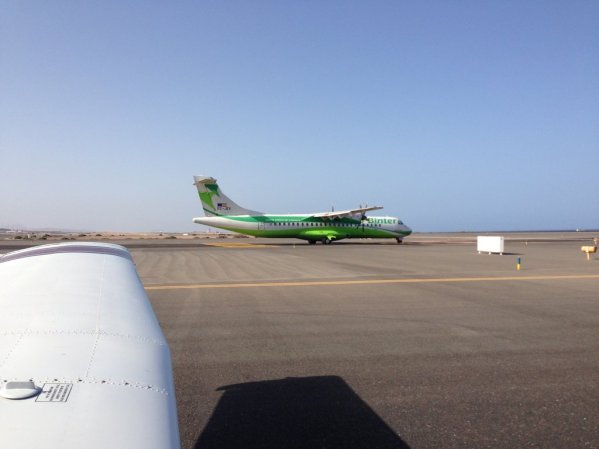
The runway is long enough to land with a Boeing 737, but the biggest planes landing there are from the local company called Binter usind ATR72 aircrafts.
The landings can be sometimes challenging, as the airport was built not on the best place (but there are no other options), so you can have a headwind over the threshold, 90 degree crosswind in the middle, and tailwind at the end of the runway.
So you have to take care when landing, otherwise the plane can suddenly drop down.
On this occasion the weather was quite nice, some crosswind, but the landing was pretty smooth.
Here is a short video of the approach and the landing from a wing wiev. I have mounted my gopro this time on the wing trying to capture the plane and the runway.
Sometimes I have the impression that if I am doing only cross country flights, navigate and do one landing, I am a little loosing the practice of stall recovery, emergency procedures, side slips, short traffic pattern landings, etc… Flying for a hour or two above the sea is sometimes boring, it is mucho more fun to make approaches, take offs, or landings…
So on my last flight last week with Piper P-28A Cherokee Archer ii (reg. EC-JMT), I have decided to practice stalls, touch and goes and some other manouvers and to have fun. The weather was perfect, wind calm and it was a very nice experience. And I feel safer again. I have made a lot of stalls, recovery with or without engine, steep turns and also a zero gravity flight.
One of the landings I wanted to practice was with short traffic pattern, and actually I was lucky, because after take-off there was some traffic that should be departing in the next moments, so I have been cleared for touch and go with short pattern. Descending to the field without flap I have passed a centerline a bit, but finally I have lined up with the runway centerline and touched down. This is the result:
After this take off the ATC has notified 3 planes arriving, so I have proceeded to the visual point November for manouvers. After some manouvers I came back to the airport for more touch and goes. In total I have made 5. My second landing was just a normal approach on the glideslope with 1 point flap.
The third one was planed with side slip. So I have stayed simply to hight on the downwind when turning on base and on final. Side slip consists of crossing the controls, yoke into the wing and the opposite rudder; this causes you drop faster without accelerating the plane. It is not my favourite manouver, since you approach the runway from the side, like with heavy crosswinds. The altimeter was showing a rate of descent of 1.000 feet/minute. Not bad 🙂 Here is the video:
The 4th touch and go was with full flap; I have decided to stay to high again in the pattern, and have performed a full flap landing. You can see it in the video, that I was to high. But with 3.400 meter long runway, there is enough of space to practice 🙂 This is the result:
Of course, normally nobody does this kind of landings with passengers 🙂 Safe landings!
My last flight was a little bit different. I do mostly crosscountry flights, so there is no time to make manouvers like stalls, touch and go’s, etc. Probably the passengers would get scared to death, lol ;-).
This time I have decided to spend the time in the air practicing stalls, turns, touch and go’s, with flaps, without flaps, slips, etc. I was lucky to have a perfect weather, almost no traffic and wind calm, so I was able to enjoy a really nice views and a flight without turbulence.
On the right downwind for RWY 12 at Tenerife North Airport
Flying 1000 feet above the Air Europa Airbus 330, holding short of runway 12
After departure I have proceed to a visual point November and where a bunch of stalls and turns a zero gravity flight was waiting on me. After a coupple of stalls, steap turns, slow flight, etc. I have decided to try again a zer gravity flight. It was a pretty long time ago that I have practiced this.
Holding over November Point, sea calm…
3.000 feet above the sea with fuel pump on I have lowered the nose to pick up the speed to approximately 120-130kts, then started to climb and pulled back down the nose to feel the zero gravity. It worked good out, but my Iphone flew on the backseat so I had to search it, otherwise i wouldn’t be able to make more pictures on this flight.
My second attempt was better: I took a pen, repeated once again the manouver and the pen was floating nice in the air. By the third attempt the pen flew away so there was nothing more to demonstrate the zero gravity. I have captured this with my gopro mounted inside the plane. Actually it was nice to practice this and I liked the feeling in my stomach as well, lol ;-). I think it would have been better to have some passenger on board who would have been busy with the pen while I would be flying 🙂
After the third one I have retourned back to the airport for more touch and go’s.
It was a nice day full of practice, I am sure I’ll repeat it again… Safe landings!
My last flight was to Fuerteventura. I like to fly there, because I spent living for 2 years on the island, love the beaches, the nature, it is very quite, and I enjoy the views from the bird’s perspective while flying.
Our route: Tenerife-Fuerteventura-Tenerife
My friend Daldo flew the first leg: Tenerife Norte to Fuerteventura. We have departed via visual E point (above Tenerife’s Las Teresitas beach), and have requested 5.500 feet. As there was calima (winds blowing from Sahara, normally with very poor visibility and hot air), by the temperatures of around 30 degrees we have been keeping an eye on the engine’s temperature to be sure everything is working fine. The problem by calima is, that there is inversion, so the temperature increases with the increasing altitude, so we have to take into consideration so the air cools the engine as it should.
Established on 5.500″ with practically no wind, the engine parameters were fine and we were able to continue on course.
Lining up on runway 12 at Tenerife North Airport
After approximately 1 hour we have reached the south of Fuerteventura and have requested to maintain below 1.000 feet, as well notified to make a low approach over the Punta de Jandia’s airfield, which I believe was used in the II. World war.
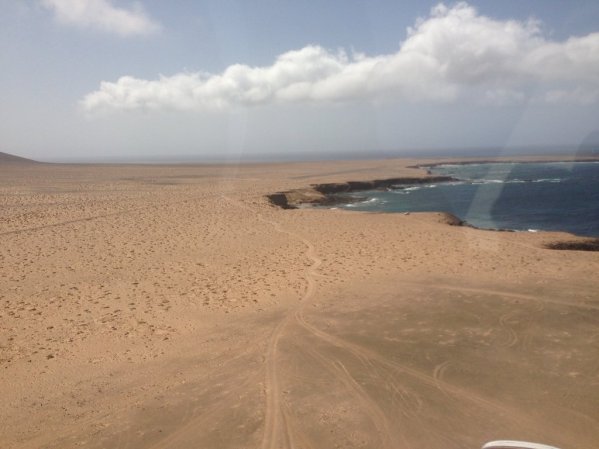
Punta de Jandia’s airfield at the south of Fuerteventura
Here is a short video of the low pass, in the video you can see that it was a little bumpy.
After the low pass we have continued along the coastline direction Morro Jable/Jandía.
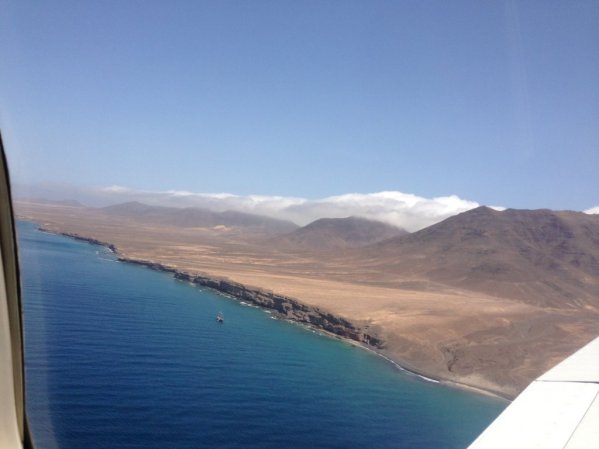
Punta de Jandía
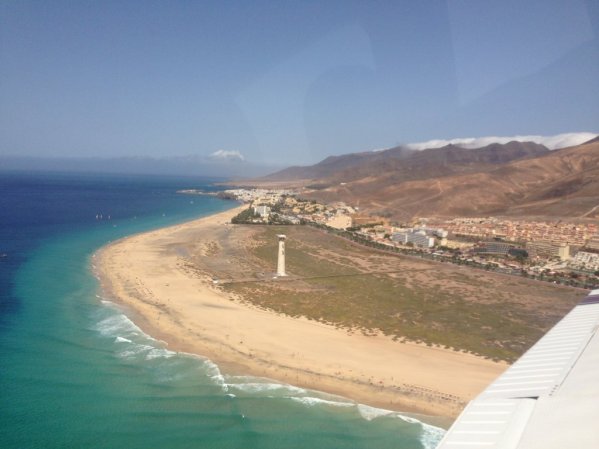
As you can see, arriving at Jandía, the white beaches are giving us a very warm welcome; with their longitude of 15 kilometers they stay on our left until Costa Calma.
Beach and Lighthouse Jandía
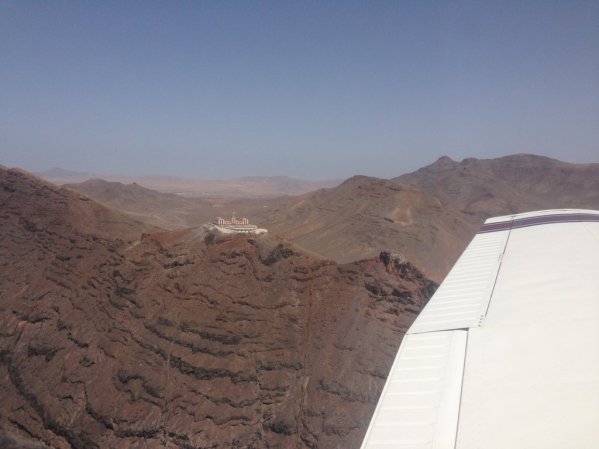
Continuing the coast line, we have reached lightouse La Entallada, one of my favourite places on the island…
Lighthouse “Faro La Entallada”
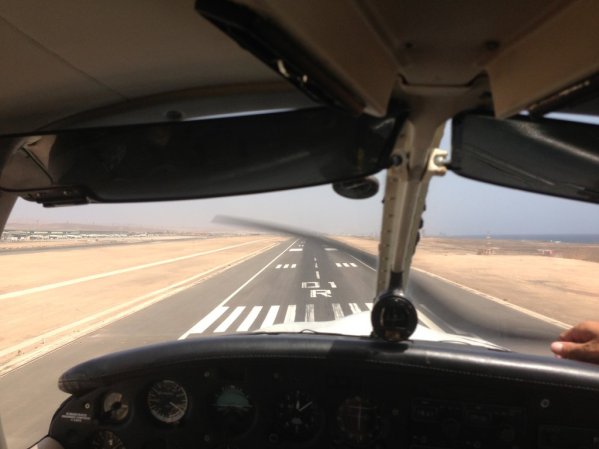
After another 15 minutes flight we have reached the Fuerteventura airfield, and Daldo have managed to land smoothly with some crosswind on the runway 01R.
Seconds before touchdown at Fuerteventura airport, RWY 01R
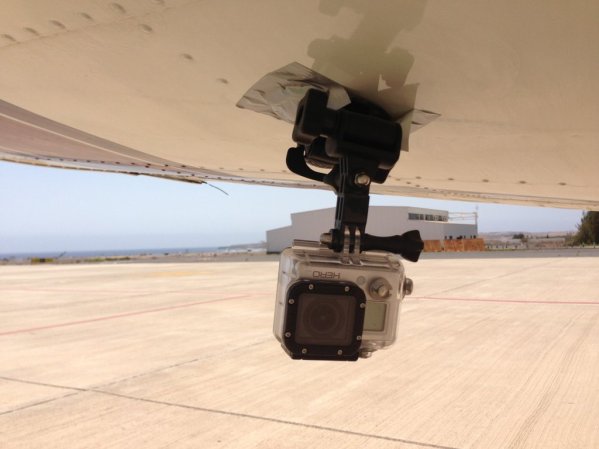
On the stand we have checked, whether our Gopro was still attached to the airplane, and luckily it was!!!
Gopro Hero placed on the wing
We have walked to the operations (it is nice that you may walk without having to pay expensive handling costs as for example in Lanzarote) and after that to the terminal to pick up our car we have hired previously. We have decided to go to a place called Casillas del Ángel, some 15-20 minutes from the airport, to taste the local speciality which is goat’s meat at the Restaurante el Labrador. Unfortunately they had no more goat’s meat (which would cost around 15€/plate), so we took as alternative escalope (for around 7-8€/ plate) with french fries (home made) and some home made tortilla, which was really tasty. The portion was huge, so in our stomach there was no more space left for dinner :-).
Short stay on a beach called “Playa Blanca” near Puerto del Rosario and back to the airport, return the car, pay the landing fees at the operations and walk to our Piper to make a outside check and all preparations necessary for the flight (including switching on our Gopro, should be a part of the plane’s checklist as well, lol).
I was flying today the second leg; Fuertevetura – Tenerife North. We have be cleard to taxi to the holding point of runway 01R, where we made the engine run-up and waited for the departure clearence.
Holding short of RWY 01R at E10
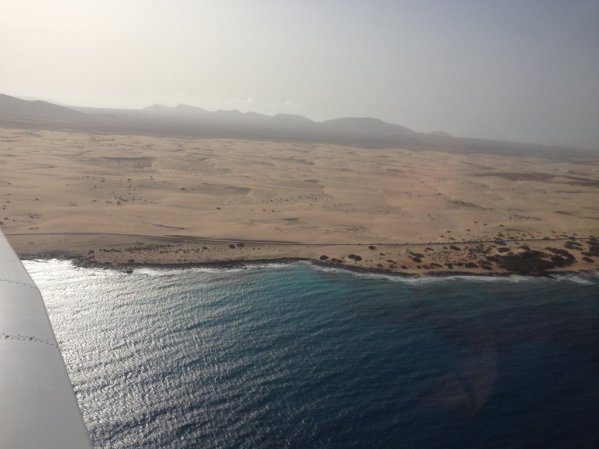
After departure we have continued on the runway heading below 1.000 feet until Corralejo in the north part of the island, to see the beaches and the volcanos as well.
Playa de Corralejo
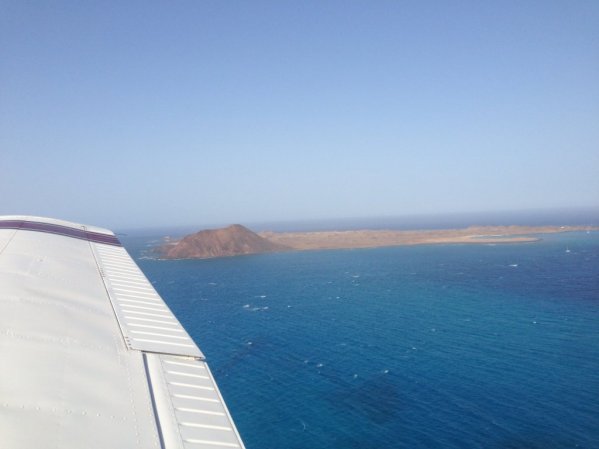
Leaving the island Isla de Lobos on the right side we have continued our climb to 4.500 feet heading Tenerife North airport.
Isla de Lobos
After some 50 minutes we have reached Tenerife.
Heading to Tenerife or to the sun?
Descending over capital city Santa Cruz de Tenerife.
Descending over capital city Santa Cruz de Tenerife.
Landing on the runway 30.
Landing on the runway 30.
Now our Piper can rest to be ready for our next adventure trip 🙂


























 Fly with Stan - Sharing (not only my) flying experiences...